|
OUR MISSION |
TO ENHANCE THE DELIVERY AND QUALITY OF UROLOGIC
CARE THROUGH EDUCATION AND ADVOCACY.
CARE THROUGH EDUCATION AND ADVOCACY.
Welcome To Washington State Urology Society


|
|
OUR MISSION |
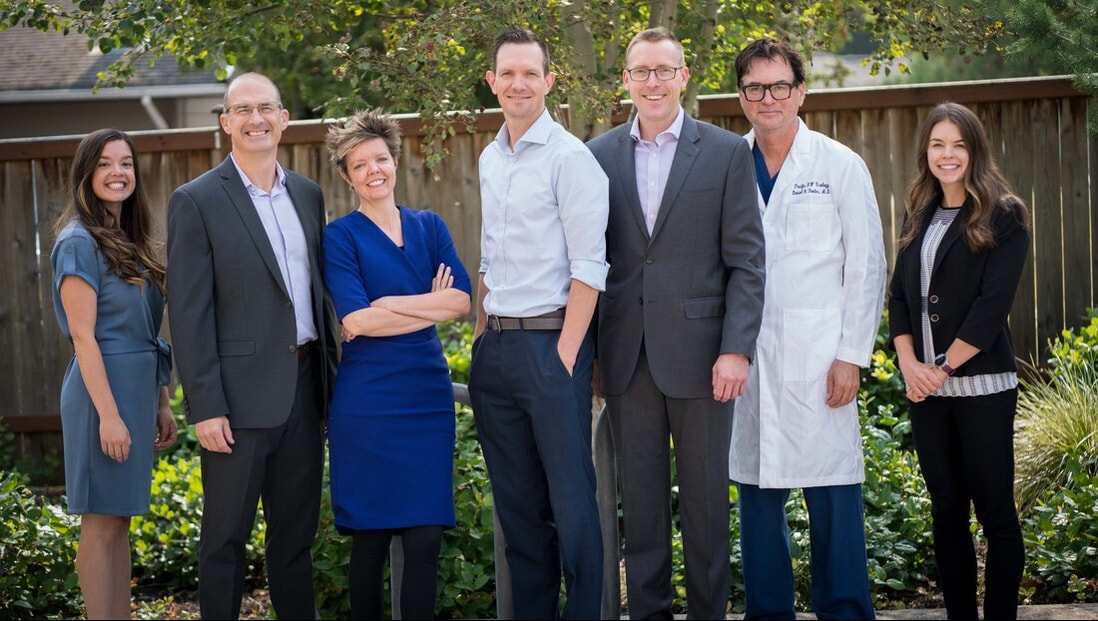
PACIFIC NORTHWEST UROLOGY SPECIALISTS is in Bellingham and Mount Vernon serving the Pacific Northwest. The practice consists of a team of five urologists (Kelly Casperson MD, Daniel Roeter MD, S. Casey O’Keefe MD and Peter Minich MD, PhD) and two physician assistants (Ally Alden PA-C and Elizabeth Hirshberg PA-C). We work as a team to provide personalized, patient-focused, high-quality urological care and preventive treatment strategies for adults and children in and around Bellingham, Washington. Services include care for general urology conditions, such as kidney stones, urinary tract infections, overactive bladder, incontinence issues, prolapse and an enlarged prostate. The practice also provides the most advanced treatments available for erectile dysfunction (ED). The health care professionals also offer minimally invasive, robot-assisted surgical options when appropriate for prostate cancer, kidney cancer, and other urological concerns, using the robotic da Vinci® Surgical System.
|
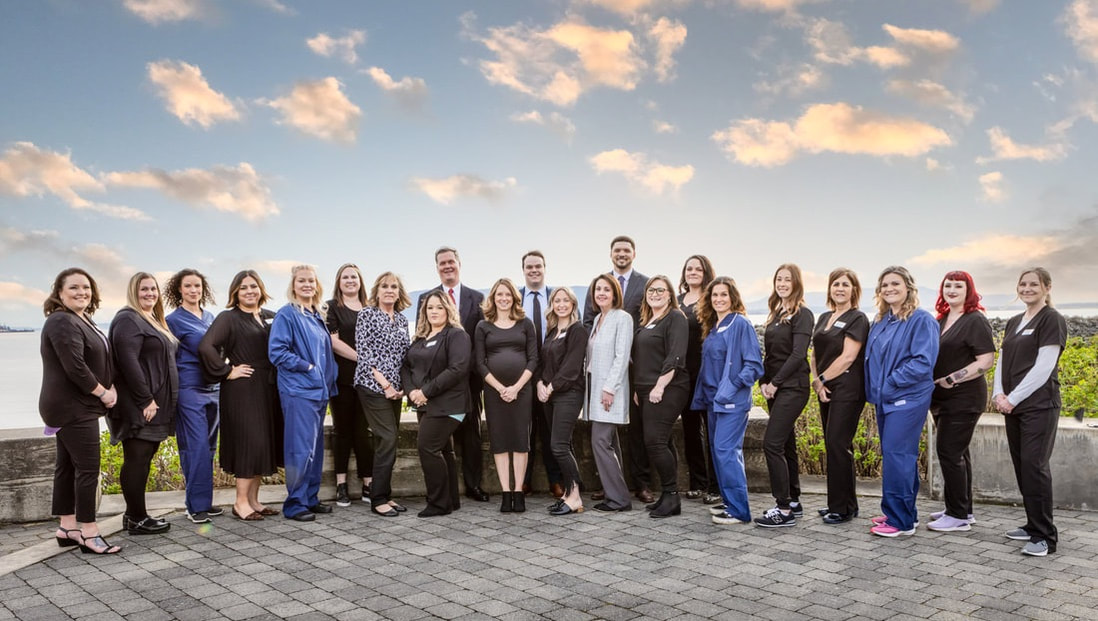
BELLINGHAM UROLOGY GROUP has been recognized as a preeminent provider of urological care to patients in Whatcom, Skagit, and Island Counties. Some of our patients come to see us from as far away as Hawaii, Alaska, and Canada. At Bellingham Urology Group, our core mission is to provide compassionate, quality care using the most innovative, minimally invasive techniques available. Our physicians (Campbell Bryson MD, Curran Emeruwa MD, John Pettit MD) treat all types of urological conditions for men, women, and children. They are supported by Mackenzie Eplar PA-C and Eleni Zobolas, ARNP. Our on-site Ambulatory Surgery Center (ASC) allows us to offer patients high-quality care in a comfortable, private setting where our highly trained surgical team can give time and personal attention to each patient. The entire team at Bellingham urology Group strives to deliver an excellent experience that is focused on each patient individually.
|